


-

Add: HeBei ShengShi HongBang Cellulose Technology CO.,LTD.
-

Email
13180486930@163.com -

CONTACT US
+86 13180486930





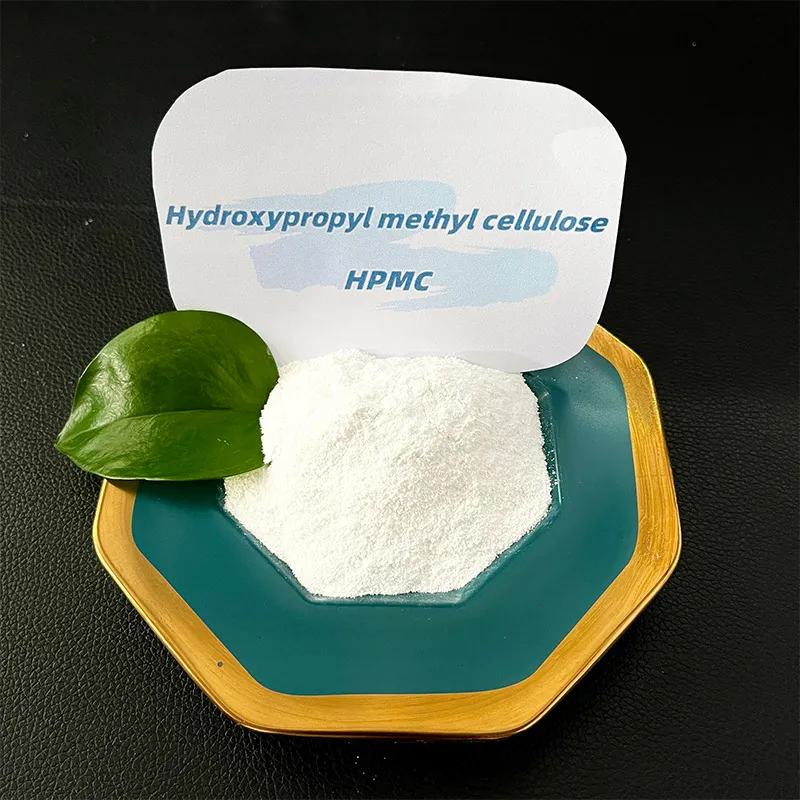
Hydroxypropyl methylcellulose (HPMC), particularly the K100LV grade, is an essential polymer frequently used in a variety of industrial and pharmaceutical applications due to its unique chemical properties and versatility. This analysis delves into the specific functionalities, practical experiences, and benefits of utilizing HPMC K100LV, providing an expert insight into its applications and impact. HPMC K100LV is a low-viscosity variant of the widely used hydroxypropyl methylcellulose, a non-ionic cellulose ether produced by the modification of alkali cellulose with methylene chloride and propylene oxide. This chemical configuration imparts HPMC K100LV with unparalleled water solubility, exceptional film-forming ability, and thermogelation properties, making it highly sought after in various sectors. In the pharmaceutical industry , HPMC K100LV's primary benefit is as an excipient. Its low viscosity facilitates easy tablet binding without the need for high compression forces, allowing for a smoother manufacturing process and consistent tablet hardness. The polymer's thermogelation properties are integral in controlling drug release, ensuring precise dosage and enhancing the bioavailability of medications. Pharmacists and formulation scientists often highlight its role in developing extended-release formulations, ensuring that therapeutic effects are prolonged while maintaining the drug's stability and efficacy. Experts in food technology also recognize the value of HPMC K100LV, particularly in the development of gluten-free products. Its ability to mimic gluten's viscoelastic properties helps create a desirable texture in baked goods, maintaining softness and moisture retention, which is often a challenge in gluten-free baking. Chefs and food product developers share positive experiences of how HPMC K100LV enhances the quality of gluten-free bread and pastries, offering consumers products that align with their dietary needs without compromising taste or texture. HPMC K100LV's utility extends to the construction industry. Its application as a cement additive is well documented, where it significantly improves the workability of dry-mix mortars. The polymer contributes to the mortar's water retention capabilities, resulting in enhanced adhesion and reduced cracking due to shrinkage. Professionals in construction and civil engineering continuously advocate for its use, citing improved durability and performance in various environmental conditions, making it a staple in modern building practices. hpmc k100lv In the context of personal care products, HPMC K100LV plays a crucial role in formulating shampoos, lotions, and creams. Its film-forming properties create a stable emulsion, maintaining product consistency and texture over time. Cosmetic chemists often express appreciation for its multifunctionality, which allows for innovative product formulations that cater to diverse consumer needs, particularly in moisturizing and volumizing products. When discussing the expertise and authority in the use of HPMC K100LV, it is clear that ongoing research and development continue to reveal new applications and improvements. Researchers in materials science and chemical engineering frequently publish studies exploring novel uses for this polymer, reinforcing its position as a versatile material. Trust in HPMC K100LV is fortified by its excellent safety profile and regulatory acceptance. It meets stringent quality standards and is approved for use by regulatory bodies such as the FDA and EMA, providing end-users with confidence in its reliability and consistency. Industries that utilize this polymer often rely on comprehensive supplier quality tests and certifications, underpinning the trustworthiness of HPMC K100LV in maintaining product integrity and safety. Ultimately, HPMC K100LV stands out due to its multifaceted applications and the trust it commands across various industries. Its unique chemical properties facilitate innovation, efficiency, and improved performance in pharmaceuticals, food technology, construction, and personal care products. As advancements in technology and materials science progress, HPMC K100LV will undoubtedly continue to evolve, driving further developments and applications in contemporary industry practices.
- 40000tons

Production
- 20+years

Experience
- 5000+㎡

Acreage

-
Hydroxypropyl methylcellulose (HPMC) is widely recognized as a versatile compound that finds its application across various industries. Preparing HPMC solutions is paramount for ensuring its effective performance, whether in pharmaceuticals, food processing, or construction. This article sheds light on the expertise required, authoritative guidelines, and trustworthy methodologies associated with HPMC solution preparation. Experience in HPMC solution preparation reveals that the process is both an art and a science, demanding precision and knowledge. Users often face challenges such as insolubility, clumping, or achieving the desired viscosity. These challenges can be mitigated by following specific preparation steps . Here, I will share a streamlined process derived from years of hands-on experience 1. Selection of Grade The choice of HPMC grade significantly influences the end properties of the solution. Different grades offer varying viscosities and gel temperatures, making it crucial to consult technical specification sheets provided by manufacturers to select the right grade for your application needs. 2. Water Quality The quality of solvent, usually water, plays a critical role. Using deionized or distilled water enhances solubility and prevents any potential reactions from contaminants. Experience confirms that temperature-controlled environments boost the solubility rate and uniformity of HPMC throughout the solution. 3. Dispersion Technique Accurate dispersion ensures the complete hydration of HPMC without forming clumps. Begin by sprinkling HPMC slowly into the solvent while stirring continuously. An authoritative tip involves using mechanical stirrers to maintain a consistent dispersal, achieving a lump-free solution efficiently. 4. Temperature Control The temperature of the solvent should be monitored closely. HPMC tends to dissolve better in cold water. By initially employing cold water to disperse the HPMC and later heating it up if the application demands a higher temperature, one can secure optimal results. hpmc solution preparation 5. Hydration Time Time is a crucial factor in preparing an HPMC solution. Allow the solution to hydrate fully, which might take several hours depending on the grade and environmental conditions. Patience is key as incomplete hydration could result in suboptimal solution properties. 6. pH Adjustment For applications requiring specific pH levels, adjust the pH of the solution after full hydration. Different grades of HPMC might react differently to pH adjustments, so it's advisable to conduct small-scale tests before full-scale operations. From a professional standpoint, the expertise of troubleshooting common issues cannot be overstated. In some cases, adding a non-ionic surfactant can assist in reducing surface tension and improving solubility. Furthermore, employing an industrial homogenizer can yield a finer, more consistent HPMC solution in high-demand applications. To establish authority in the preparation of HPMC solutions, it’s paramount to adhere to standardized practices as endorsed by industry leaders. Following guidelines from entities like the United States Pharmacopeia (USP) can ensure compliance and efficacy in pharmaceutical applications. Maintaining a record of every batch's preparation details ensures traceability and identifies areas for future optimization. Trustworthiness is built through consistency and transparency. Regularly testing and documenting the rheological properties of prepared solutions guarantees batch-to-batch uniformity. For enhanced credibility, consider third-party verification from accredited laboratories to validate the effectiveness and safety of the final solution. In conclusion, HPMC solution preparation demands a blend of practical experience, specialized knowledge, and adherence to authoritative protocols. By following these best practices, one can ensure the creation of high-quality HPMC solutions suitable for a variety of applications, ultimately fostering trust and reliability in the end product.
-
Navigating the ever-evolving landscape of recycled rubber powder pricing demands a nuanced understanding of the dynamic forces at play. Recycled rubber powder, a sustainable byproduct derived primarily from end-of-life tires, plays an integral role in various industries, including construction, automotive, and manufacturing, as they seek eco-friendly alternatives without compromising on functionality or quality. Expert insights suggest that the volatility in recycled rubber powder prices can be attributed to multiple factors. One major influence is the fluctuation in raw material availability, particularly given the finite nature of scrap tires. Market demand prominence equally dictates pricing trends. As industries increasingly adopt circular economy principles, the demand for recycled materials, including rubber powder, surges. This demand is often heightened by regulatory mandates pushing for reduced carbon footprints and sustainable resource usage, compelling manufacturers to incorporate recycled components into their supply chains. An additional layer of complexity in pricing comes from the technological advancements in the rubber recycling industry. The introduction of improved pulverizing techniques and more efficient devulcanization processes have enabled higher yield outputs, which may stabilize prices by increasing supply capabilities. However, upgrades and innovations often necessitate capital investment, which could temporarily affect pricing structures as companies recoup these expenditures. Analyzing the geographical variance in pricing, transportation logistics and regional industrial activities significantly influence costs. Regions with established recycling facilities benefit from reduced transportation expenses and a steady supply of scrap tires, which can result in more competitive pricing. Conversely, areas lacking proximity to these resources may face higher prices due to increased logistics costs and supply chain disruptions. recycled rubber powder price Case studies from manufacturers who have successfully integrated recycled rubber powder showcase both environmental and economic benefits. Companies report reduction in material costs by up to 20% when substituting virgin rubber with recycled alternatives, depending on the application. Moreover, these companies often leverage their use of recycled materials as a marketing tool, appealing to a growing consumer base prioritizing sustainability. This strategy not only differentiates their products in a competitive market but also fosters brand loyalty among environmentally-conscious buyers. Building trust in the quality and consistency of recycled rubber powder remains paramount . Certifications and quality assurances, such as those provided by ISO or REACH compliance, are crucial in establishing the credibility of these materials. Manufacturers and suppliers need to maintain transparency regarding the sourcing, processing, and quality control measures to reassure clients of the material's integrity. Industry forecasts predict that as technology and production methods continue to advance, recycled rubber powder will become an even more economical choice, thereby driving down prices in the long term. It is essential for companies to stay informed about these emerging trends and technological improvements to leverage cost benefits effectively. In conclusion, while the pricing of recycled rubber powder might appear complex, understanding the underlying factors provides clarity and foresight. By closely monitoring market demands, technological innovations, and regional influences, industry players can better anticipate pricing changes and optimize their strategies for both environmental and financial gains. Trust and transparency, supported by industry-recognized certifications, will continue to play a critical role in the widespread adoption and success of recycled rubber powder in various applications.
advantages
-

200000 Viscosities
Excellent product
We can produce pure products up to 200,000 viscosities
-

40000 tons
High yield
We don’t stop production all year round, and the annual output can reach 40,000 tons
-

24 hours
Quality service
We provide 24-hours online reception service, welcome to consult at any time
———— Inquiry Form
Schedule A services
-
 apa_itu_serat_polipropilen
Oct . 25, 2025
When exploring the vast world of pharmaceutical and construction materials, one cannot ignore the co -
 ansos_hpmc
Oct . 25, 2025
When weighing the benefits of HPMC (Hydroxypropyl Methylcellulose) against HEMC (Hydroxyethyl Methyl -
 hpmc_hs_code
Oct . 25, 2025
Exploring the Viscosity of HPMC A Unique Insight into its Applications and Benefits The world of add


